
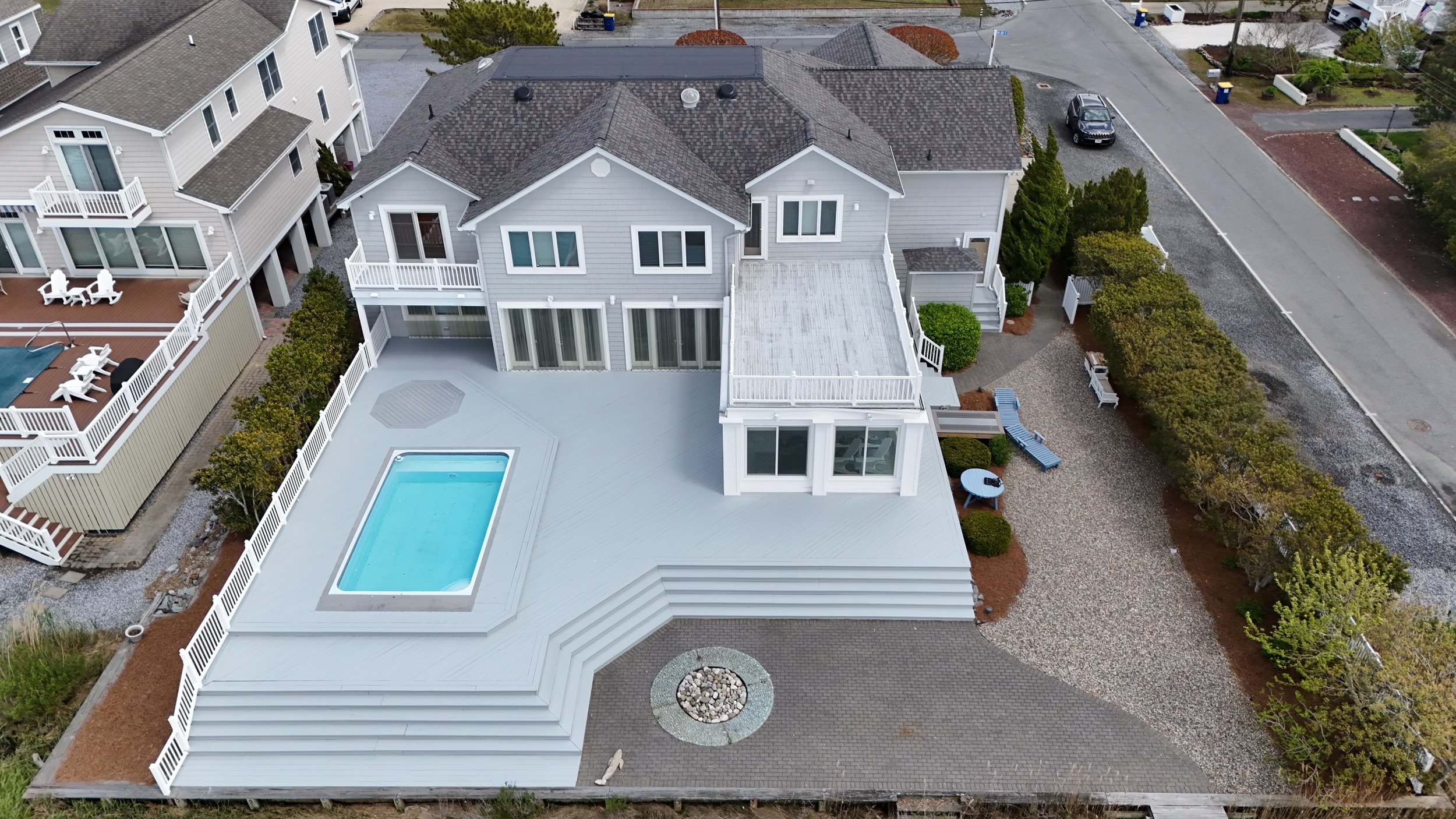
The Complete Guide to Remodeling Your Home in Sussex County, Delaware
Introduction
If you own a home in Sussex County, chances are there is something you would change if you could. Maybe your kitchen feels closed off. Your bathroom is dated. You need another bedroom, a larger family room, or a better place for visiting family. Or perhaps you’ve reached the point where you love your location, but the house simply doesn’t work as well for you as it once did.
Those are the conversations I have with homeowners all the time.
I’m Joe Graham, and Tess and I own Coastal Home Renovations. We’ve been helping homeowners in Sussex County for 14 years, and one thing I’ve learned is that a successful remodel starts long before anyone swings a hammer.
It starts with figuring out what you’re actually trying to accomplish.
Should You Remodel or Move?
Before spending money on a major renovation, I think this is one of the smartest questions a homeowner can ask.
If you love your neighborhood, your property, and your general location, remodeling may allow you to keep the things you already love while fixing the things you don’t.
That can be especially important here in coastal Delaware, where homeowners may have spent years finding the right community or location.
Tess brings a real-estate perspective to this conversation as well. Sometimes an improvement makes sense both for the way you live today and for the home’s future marketability. Other times, homeowners can spend a great deal of money changing a house without necessarily getting that money back when they sell.
The right answer depends on your home, your plans, and how long you expect to stay.
Start With the Problem—Not the Pinterest Picture
One of my biggest pieces of advice is simple: tell your contractor what isn’t working before you tell them what you want to buy.
A homeowner may come to us saying, “I want a bigger island.” But after talking about the kitchen, we may discover that the real problem is traffic flow, storage, or the location of the appliances. The island is only one possible solution.
The same thing happens in bathrooms. Someone may think they need a larger bathroom when a better shower configuration, vanity layout, or storage plan could make the existing room work much better.
Good remodeling should solve problems—not simply replace old materials with new ones.
Kitchen Remodeling
Kitchens are one of the most complicated rooms in a house because so many pieces have to work together. Cabinets, countertops, appliances, plumbing, electrical work, lighting, flooring, and ventilation all affect one another.
Before choosing cabinet colors or countertops, think about how people move through the room, where you prepare food, where you need storage, whether people gather in the kitchen, whether the island interferes with traffic, whether appliances are positioned conveniently, and how much natural and artificial light you have.
Once the layout works, the finishes become much easier to select.
Bathroom Remodeling
Bathrooms may be smaller than kitchens, but they can be every bit as detailed. Showers, waterproofing, tile, plumbing, ventilation, electrical work, vanities, and lighting all need to come together correctly.
For many Sussex County homeowners, we also talk about how the bathroom will function five, ten, or fifteen years from now.
A walk-in shower, lower threshold, better lighting, strategically placed blocking for future grab bars, and a comfortable layout can make a bathroom easier to use without making it look institutional. Good aging-in-place design can simply look like good design.
Home Additions
Sometimes rearranging the existing house isn’t enough. An addition can provide a larger kitchen, first-floor owner’s suite, family room, home office, or space for visiting children and grandchildren.
But additions require more planning than simply deciding where you want another room. The existing structure, property constraints, utilities, mechanical systems, and applicable approvals all have to be considered.
This is why we encourage homeowners to begin planning an addition well before they hope to start construction.
Decks and Outdoor Living
Living near the Delaware beaches means outdoor living is a big part of how many people use their homes. A deck can become an extension of the house—a place for dining, entertaining, grilling, or simply sitting outside.
One of the early decisions is usually wood versus composite decking. Wood can offer a traditional appearance and different upfront economics, while composite products can appeal to homeowners who want less routine maintenance.
There isn’t one answer that’s right for everybody. We look at how you plan to use the deck, the appearance you want, and how much maintenance you’re comfortable doing.
Basements and Other Unused Space
If your home already contains unfinished or underused space, improving it may be another way to gain living area without constructing an addition.
The key is deciding how that space will actually be used. A finished room that looks attractive but doesn’t serve a purpose isn’t nearly as valuable to a homeowner as a well-planned guest area, recreation room, office, or flexible living space.
How Much Should You Budget?
This is one of the first questions homeowners ask, and it’s also one of the hardest to answer without seeing the project.
The cost of remodeling depends on far more than square footage. Layout changes, structural work, cabinetry, tile, countertops, plumbing fixtures, electrical work, appliances, and finish selections can dramatically change the scope of a project.
That’s why I don’t think homeowners should rely too heavily on a generic number they find online. A better approach is to establish what you want to accomplish, determine the work required, and then develop a realistic project scope.
Always leave some flexibility for unexpected conditions—especially when we’re opening walls in an existing home.
Make Your Selections Early
One of the easiest ways to make remodeling more stressful is to begin construction while major decisions are still being made.
Whenever possible, choose important materials before demolition begins:
- Cabinets
- Countertops
- Flooring
- Tile
- Plumbing fixtures
- Appliances
- Lighting
- Doors
- Hardware
Early decisions help everyone understand the project and can reduce avoidable delays.
Communication Matters More Than Homeowners Realize
A remodeling project is happening inside your home. You’re living with noise, dust, workers, decisions, and temporary inconvenience. You deserve to know what’s happening.
Tess and I have always believed communication is an important part of the job. Homeowners should understand the process, know who to contact, and feel comfortable asking questions.
No remodeling project is completely free of surprises. The difference is how those surprises are communicated and handled.
Choosing a Remodeling Contractor
Don’t choose a contractor based on price alone. Look at the scope of work. Ask questions. Look at previous projects and reviews. Understand how communication will work and how changes are handled.
Most importantly, make sure you feel comfortable with the people you’re inviting into your home. A remodeling relationship can last weeks or months. Trust matters.
Joe’s Advice Before Starting Any Remodel
If I could give a homeowner only a few pieces of advice before beginning a renovation, they would be these:
- Know what problem you’re trying to solve.
- Establish your priorities before choosing finishes.
- Make as many decisions as possible before construction starts.
- Leave room in the budget for the unexpected.
- Hire people you can communicate with.
Don’t rush the planning stage. The decisions made before construction often have more impact on the finished project than the decisions made after demolition begins.
Frequently Asked Questions
How early should I contact a remodeling contractor?
Earlier than you may think. Design decisions, estimates, material selections, ordering, and scheduling all take time. Starting the conversation early gives you more options.
Should I remodel before selling my home?
Sometimes. Tess recommends looking at the home’s current condition, likely buyer expectations, the cost of the improvement, and how long you expect to remain in the home. Not every renovation produces the same return.
Can I stay in my house during a remodel?
Often, yes, although it depends on the scope. A whole-kitchen renovation is very different from remodeling a guest bathroom. Discuss daily access and disruption with your contractor before work begins.
Should I buy materials myself?
Talk with your contractor first. Products need to work together, arrive at the correct time, and meet the requirements of the project.
What should I do first if I’m considering remodeling?
Make a list of what isn’t working in your home. Then separate your list into “must have,” “would like,” and “nice if the budget allows.” That gives your contractor a much better starting point.
Ready to Talk About Your Project?
If you’re considering remodeling your kitchen, bathroom, basement, deck, or adding more space to your home, Tess and I would be happy to talk with you. Coastal Home Renovations has been serving Sussex County homeowners for 14 years, and we offer free estimates.
Our goal is simple: help you make good decisions and create a home that works better for the way you live.
—Joe Graham, Coastal Home Renovations
